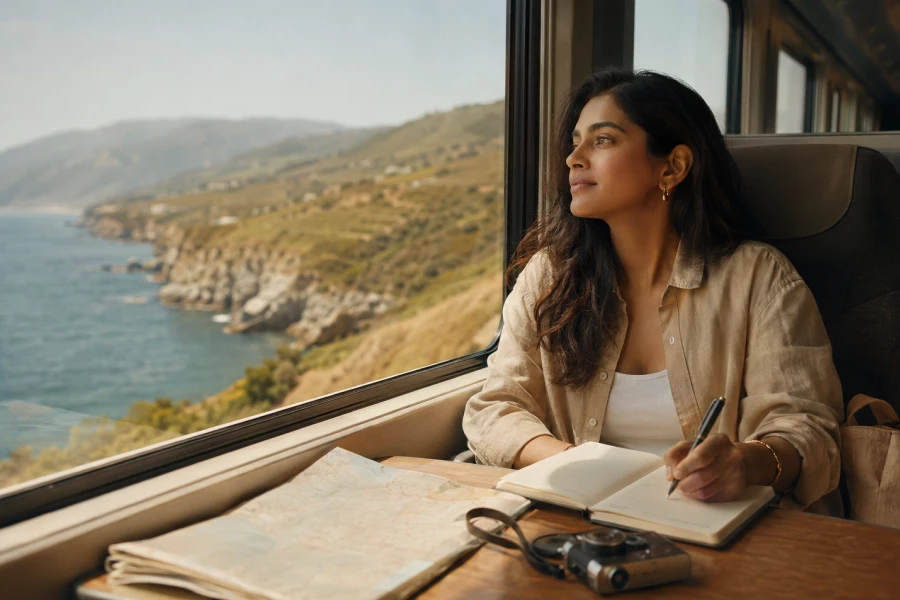
Purposeful journey planning gives travel a direction that goes beyond logistics. It asks what you want a trip to mean before asking what to book. That shift can make even a short getaway feel more substantial. You stop treating every destination as interchangeable. Instead, you look for places that support a particular feeling, question, or transition. Your itinerary becomes one tool among many, not the entire experience. This approach also reduces decision fatigue during planning. Clear priorities make it easier to dismiss options that do not fit. You spend less time comparing everything and more time choosing well. The journey begins to feel personal from the first decision.
A clear reason gives your trip a more useful center. You may want to celebrate a change, rebuild confidence, or explore a new interest. The reason does not need to sound profound to anyone else. It only needs to be honest. Write it as a sentence you can return to during planning. When choices multiply, let that sentence help you decide. It can steer you toward a quieter hotel, a longer train ride, or fewer destinations. Clarity also makes compromises easier to accept. You understand what deserves your money and time. That confidence turns planning from pressure into intention.
Too many options can make travel planning feel strangely exhausting. Every search result seems possible until you define what matters most. Start with a few travel purpose exercises that identify your priorities. Rank experiences by how much energy they give you. Separate must-haves from things that merely sound impressive. Then choose destinations that support the first list consistently. You may discover that an overlooked region fits you perfectly. Reducing options is not settling. It is a practical way to protect your attention. Better decisions often come from knowing what to leave out.
One defining experience can give an entire trip emotional structure. It might be a cooking class, a mountain walk, a local festival, or a museum visit. Choose something you would still value even without photographs. Place it early enough in the itinerary to influence the rest of your days. Then build nearby experiences around its mood and setting. Do not overload the schedule with unrelated attractions. Let the theme deepen instead. A trip gains character when its parts speak to one another. The experience also becomes easier to remember because it has context. That kind of planning feels more satisfying than trying to see everything.
Connection becomes easier when you plan for more than landmarks. Choose neighborhoods where you can slow down and observe everyday life. Look for authentic local encounters that invite learning without demanding access to private lives. A small group workshop can be more revealing than a crowded attraction. So can a conversation with a knowledgeable guide or independent shop owner. Arrive with respectful questions instead of expectations. Remember that cultural exchange works both ways. You are a guest, not a collector of experiences. That mindset makes every interaction feel more grounded. It also helps you leave a better impression behind.
Spending decisions reveal what you truly prioritize on a trip. Consider whether your money supports rest, learning, local businesses, or convenience. There is no universal answer, but there should be a personal one. A value-driven adventures approach makes those choices easier to evaluate. You might spend more on a locally owned stay and less on souvenirs. Or you may choose one exceptional meal over several rushed ones. The goal is not perfection. It is alignment between your resources and your reasons for going. That alignment makes the trip feel more coherent.
Rest is not wasted travel time, especially when a trip supports personal renewal. Build pauses into the plan before exhaustion makes them necessary. Choose lodging where you can recover comfortably after fuller days. Keep at least one stretch of time unscheduled. That openness protects you from turning travel into another demanding project. It also makes room for changes in weather, appetite, or energy. Rested travelers make kinder, more curious choices. They notice what feels worthwhile instead of reacting to a list. A good trip should leave you expanded, not depleted. Pace is part of purpose.
The days after travel can teach you what the itinerary alone cannot. Notice which memories return without effort. Ask what you miss about the place beyond its scenery. You may realize that slow mornings mattered more than late-night activities. Or perhaps a conversation sparked a new curiosity worth pursuing. These observations sharpen your future choices. They also show whether the trip served the purpose you hoped for. Treat that information as useful feedback rather than judgment. Every departure teaches something about your needs. Over time, travel becomes a more intentional part of your life.
Each traveler eventually develops patterns that make trips feel authentically theirs. Maybe you seek regional art, long walks, or meals with local stories. Perhaps you value a calm base over constant movement. Those preferences deserve to guide future plans. A set of soulful travel habits can make your choices more consistent without making them repetitive. Keep refining what works as your life changes. The aim is not to travel one way forever. It is to travel in ways that remain true to you. That is a far more durable kind of inspiration.




Leave a comment