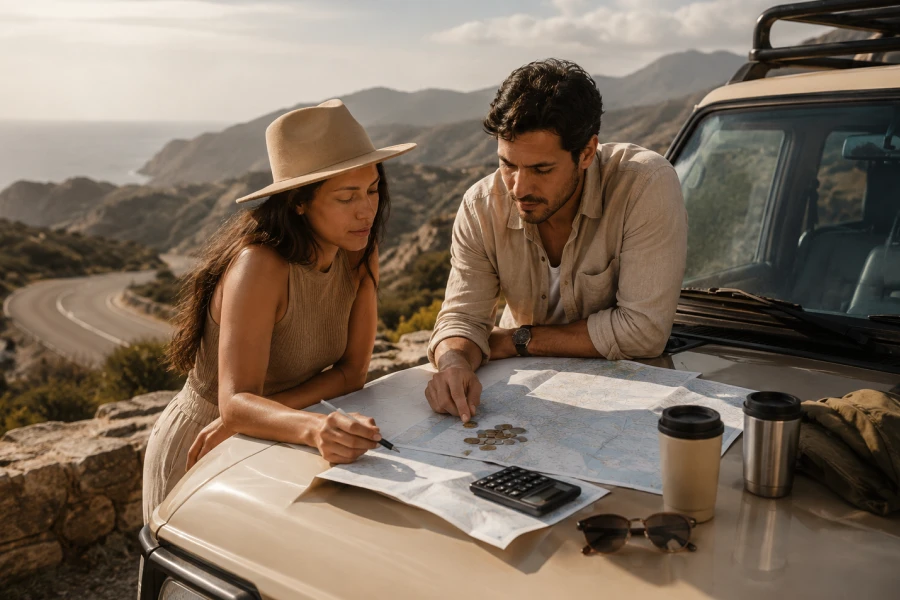
A road trip budget planner can turn financial uncertainty into a calmer, more flexible adventure. The open road feels better when you know what your money can handle. You do not need to control every dollar with obsessive precision. You simply need a realistic plan for predictable costs and spontaneous moments. That starts by separating essentials from optional splurges before departure. Fuel, lodging, food, and activities all deserve a place in the plan. Once those categories are visible, trade-offs become less stressful. You can say yes to a scenic detour without wondering what it will cost later. Good budgeting protects the trip rather than shrinking it. It gives you permission to enjoy the journey with confidence.
Budgeting may sound restrictive, but it usually creates more choices on the road. A clear spending range helps you decide quickly when options appear. You can compare a cabin, motel, or campsite without guessing blindly. It also keeps one expensive day from quietly affecting the rest of the trip. Use a realistic road trip budget to define what comfort means for your group. Maybe comfort means a private room every third night. Perhaps it means reserving money for one memorable meal. There is no wrong answer when the choices are deliberate. The important part is making room for what you value most. That is how a budget supports adventure instead of limiting it.
Begin with costs that will happen regardless of your route. Estimate transportation, insurance, parking, food, and lodging with some built-in flexibility. Then add attractions, souvenirs, and unexpected repairs as separate categories. Avoid setting one vague number for everything. Specific categories show you where adjustments are easiest. A thoughtful fuel cost planning estimate is especially useful for longer routes. Check approximate mileage, fuel efficiency, and regional gas price differences. You do not need an exact prediction. You need a range that protects you from surprises. That range gives the rest of your plan a stable foundation.
Daily decisions determine whether a trip stays financially comfortable. Set a loose allowance for meals, stops, and small purchases. Then track what you spend before the day ends. This habit takes only a few minutes and reduces anxiety quickly. A simple daily spending log shows patterns while they are still easy to change. You may notice restaurant meals are costing more than expected. Or perhaps attraction fees are lower, leaving room for a better room later. The point is not to judge every purchase. It is to stay informed while choices still matter. Awareness gives you a chance to adjust gracefully.
Every traveler has a different definition of a worthwhile splurge. One person values a scenic hotel room. Another wants special food stops or live music tickets. Discuss those priorities before the wheels start turning. It prevents frustration when money decisions appear mid-trip. Choose two or three categories where you are happy to spend more. Keep the remaining categories practical and simple. This balance makes the trip feel intentional rather than deprived. It also reduces the temptation to overspend just because you are on vacation. A shared plan creates fewer awkward conversations. Everyone understands where the money is meant to go.
Food can become a major expense because it appears several times every day. The answer is not eating poorly or skipping local specialties. Instead, combine grocery stops, casual meals, and occasional memorable restaurants. Build a list of budget-friendly road trip meals before leaving home. Pack breakfast basics, snacks, and reusable water bottles. Then choose one meal each day where you are open to spending a little more. This approach keeps hunger from making expensive decisions for you. It also makes restaurant meals feel like genuine experiences. Balance is more sustainable than strict rules.
Every road trip needs money that is not assigned to anything specific. Tires, weather delays, parking mistakes, and route changes can happen without warning. A buffer keeps those moments from ruining your mood. Set aside an amount that feels realistic for the trip length. Keep it separate from the money planned for fun. That distinction helps you avoid spending your safety net too early. If you never use it, the funds can support your next adventure. The buffer is not pessimistic. It is a practical way to travel with less fear. Preparedness makes flexibility feel possible.
The best system is the one you can maintain while traveling. A complicated spreadsheet may work at home and fail at a gas station. Choose one note, app, or page that shows your main categories clearly. Keep receipts only when they add useful information. Review the total once each evening. That habit creates a natural moment to plan the next day. You can decide whether to cook, book ahead, or enjoy an extra activity. Simple tools reduce mental clutter. They also make the numbers feel manageable. Consistency matters more than complexity.
Budgeting gets easier after you see a plan work in real life. Your first trip may reveal categories you underestimated. That is useful information, not failure. Make a few notes about what surprised you most. Save receipts from major costs when they can improve future estimates. Over time, you will build a personal sense of what different routes require. You will also learn where saving feels easy and where it feels frustrating. That knowledge makes later trips more relaxed. A better plan grows from lived experience. Each drive gives you another chance to improve it.
Set aside time after returning home to look at the trip as a whole. Compare your original estimate with what actually happened. Notice which categories made the journey better. Also note the purchases that did not add much value. This review takes little time and makes the next plan smarter. It can reveal habits you want to repeat or avoid. You may find that a slower route saved more than expected. Or a higher lodging cost may have been completely worth it. The numbers become useful stories, not just totals. That is how a good budget becomes a better travel habit.



Leave a comment