
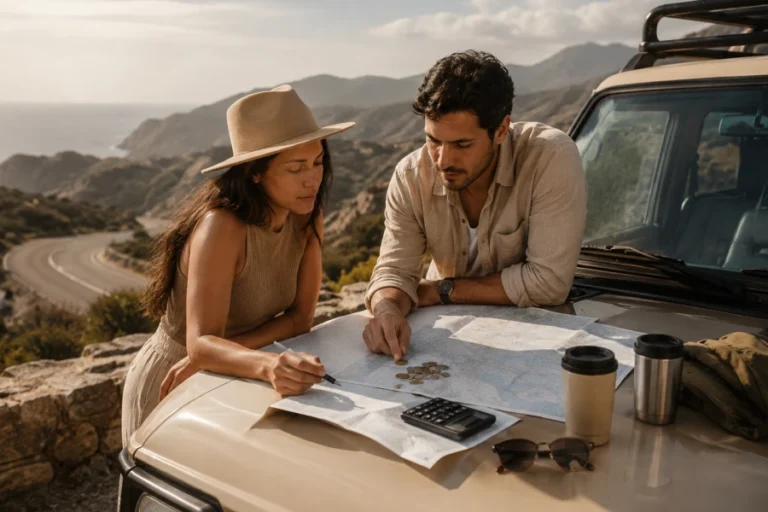
Road trip expense tracking does not have to interrupt the joy of driving somewhere new. In fact, a quick daily check can protect the freedom that makes road travel appealing. When costs stay visible, a surprise detour feels exciting instead of risky. You know whether tonight calls for a simple meal or a comfortable upgrade. The process works best when it is lightweight and consistent. A few categories are more useful than a complicated system you ignore. Focus on lodging, fuel, food, activities, and unexpected needs. Then review totals at a predictable time each day. This habit keeps small costs from becoming a larger surprise. It also lets you enjoy spontaneous choices with a clearer mind.
Start by naming the categories that could make or break your budget. Lodging, fuel, food, parking, activities, and supplies are usually enough. Avoid making separate categories for every tiny purchase. Too much detail can make the system feel like work. Instead, aim for categories that reveal useful patterns. A clear lodging cost strategy is particularly important when prices change by location. Decide when advance booking matters and when flexibility has value. A simple category system lets you compare each day quickly. You can see what is growing faster than expected. That visibility helps you make calmer decisions tomorrow.
Choose one quiet moment for recording expenses every day. It could be after dinner, during a hotel check-in, or before sleep. The timing matters more than the tool. Small entries are easy to forget after several busy days. A predictable habit keeps the task from piling up. It also turns numbers into a brief planning conversation. You can discuss whether the next day needs a lighter spending pace. Those adjustments feel much easier when made early. Avoid waiting until the trip ends to look at totals. By then, your choices are already behind you. A few daily minutes create much more control.
Every trip benefits from money reserved for delight. It might cover a roadside attraction, a local craft, or a special dinner. Give that category a name and a limit before leaving. This makes it easier to enjoy small surprises without guilt. A list of road trip savings tips can help you preserve that money for moments that matter. Pack snacks, compare fuel stops, and reserve high-demand lodging early. These practical choices create room for spontaneous pleasure later. Saving works best when it has a purpose. Your fun money gives the budget an emotional reason to exist.
Patterns tell you more than a single expensive purchase ever can. Three unplanned meals may matter more than one attraction ticket. Several small parking fees can quietly reshape the day’s total. Recording costs lets you see those trends while the trip is still unfolding. You may notice that certain towns are consistently more expensive. Or perhaps longer driving days increase both fuel and food spending. These observations make your route easier to adjust. Consider them travel intelligence rather than criticism. A good system does not punish you for spending. It helps you spend with a little more awareness.
Traveling with others makes money conversations especially important. Agree on shared categories before you start driving. Decide whether meals, lodging, fuel, and activities will be split equally. Keep group purchases visible so nobody has to rely on memory. A list of travel expense categories can make those discussions less awkward. It gives everyone a neutral way to talk about spending. You can also set a shared limit for optional activities. Clear expectations reduce tension when preferences differ. Nobody wants budget confusion to become the trip’s main story. Simple communication protects the relationship as much as the wallet.
A cushion keeps small problems from becoming major stressors. Build one for weather delays, route changes, and basic vehicle needs. Keep it separate from daily spending so it remains available. You may never need it, but its presence changes how relaxed you feel. A flexible trip fund also makes it easier to say yes when a meaningful opportunity appears. Perhaps you find a local event or a spectacular overnight stop. The cushion gives you options without breaking the larger plan. It is a form of travel insurance you control. That confidence can make the entire route feel more open.
Costs often reveal something about the route itself. A long detour may be worth it, but you should see its full impact. Look at fuel, food, parking, and time together. Compare those totals with the experience you gained. This is not about turning every decision into a calculation. It is about recognizing where your resources are going. You may find that scenic backroads offer better value than crowded tourist corridors. Or perhaps fast highways make a higher lodging cost worthwhile. Numbers become more useful when linked to context. That is where tracking supports smarter travel rather than strict travel.
Save your final totals somewhere you can find later. They will become far more helpful than generic online estimates. Next time, you can adjust for your own eating style, pace, and comfort preferences. You will know how much fuel a certain distance really required. You will also recognize which spending choices improved the trip. That history makes future planning faster. It reduces the uncertainty that often delays booking a new adventure. The system gets easier because you are building personal data. Your past trip becomes a useful reference, not a forgotten expense. That is a worthwhile payoff for a few minutes each day.
Tracking should support the trip, not take it over. Use the fewest categories that provide meaningful information. Skip perfection when you are tired or busy. A rough entry is better than no entry at all. Review the big picture instead of obsessing over pennies. This approach keeps the habit sustainable on the road. It also makes it easier to continue on future trips. The goal is peace of mind, not financial performance. When the system feels reasonable, you will actually use it. That consistency is what makes it valuable.



Leave a comment