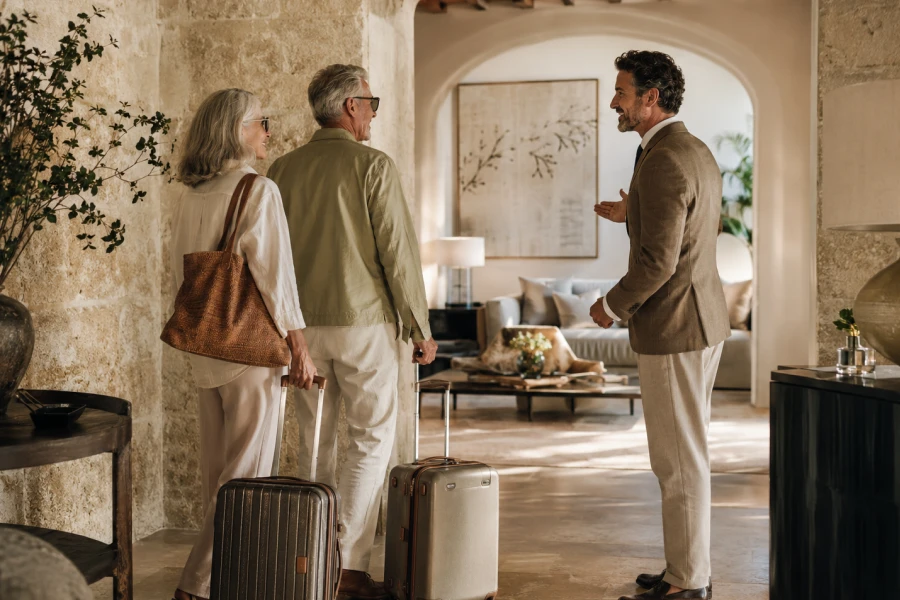
Hotel upgrade strategies are not about demanding a larger room at every check-in. They are about recognizing when an upgrade would genuinely improve your trip. Sometimes that means a quieter floor, later departure, or access to a useful lounge. Other times, a better room layout makes travel with family or work much easier. The best approach begins with clear priorities and respectful communication. You should know what would add value before asking for anything. Timing also matters, especially during busy seasons and major events. When you approach staff with courtesy, your request feels reasonable rather than entitled. Even when an upgrade is unavailable, the conversation can reveal other helpful options. That is a smarter definition of hotel value.
Room type, rate conditions, and membership status can affect what upgrades are possible. Read the details before choosing the lowest available rate. Some offers include flexible terms that become useful later. Others may limit room changes or late checkout entirely. Booking directly can also make communication easier if you have a specific request. Consider whether a modestly higher category already solves your main need. That may be better than hoping for an uncertain upgrade. A prepared traveler makes fewer last-minute decisions. The goal is not chasing status. It is selecting options with a realistic path to better comfort. Good preparation creates the strongest starting point.
Vague requests are harder for staff to fulfill. Instead of asking for something better, explain what would help. You might need a quiet room for early meetings or more space for a child’s sleep schedule. These details make your request more practical. They also give the front desk alternatives to consider. Loyalty can help, so learn about hotel loyalty benefits before your next stay. Members may receive priority, flexible timing, or room-related offers. Still, respect matters more than scripted demands. Staff can often do more when they understand the reason behind your request. Specificity invites useful solutions.
Arrival time can influence what the hotel can reasonably offer. Early check-in may reveal more availability before rooms are assigned. Later arrival may work better at properties managing same-day changes. There is no universal rule, so a polite call can clarify the best approach. Avoid assuming that a quiet lobby means empty rooms. Housekeeping schedules and room types create real constraints. A flexible traveler has more options. Consider whether a room change the next day would still help. Being open to alternatives can increase your chances. Timing is useful when paired with realistic expectations.
Not every meaningful upgrade involves a suite. Sometimes the best improvement is later checkout, a better view, or club access. A concierge can help you make more of the surrounding area. Ask about concierge service tips that suit your plans, not generic recommendations. They may know better timing for a restaurant, gallery, or transit route. A service adjustment can save time that a larger room cannot. Think about where friction is likely to appear. Then ask whether the property has a solution. This wider view makes upgrades more useful. Comfort is not measured only in square footage.
Celebrations can sometimes create opportunities for a more thoughtful stay. Mention a birthday, anniversary, or milestone when it is true and relevant. Do not use every booking as a negotiation tactic. A genuine note gives the hotel context without creating pressure. Some properties may offer a small gesture, while others may not. Both responses are reasonable. The point is to share information, not make demands. Simple gratitude helps when staff make an effort. A good relationship can improve the tone of the entire stay. Courtesy never guarantees an upgrade, but it always makes travel feel better.
Flexibility is one of the most useful things you can bring to check-in. You may accept a different bed configuration, floor, or timing if it solves your real need. A quieter room may matter more than a larger one. Consider suite upgrade opportunities as one possibility among several, not the only successful outcome. Sometimes a room with lounge access creates more daily value. Other times, breakfast or parking adjustments make a bigger difference. Flexible thinking helps you see those options. It also keeps disappointment from taking over the arrival experience. The goal is a better stay, not a single specific reward.
An upgrade request works best when you can still enjoy the original booking. If a larger room is essential, reserve it instead of hoping. The same rule applies to accessibility, sleep needs, and work requirements. Paying for certainty can be more relaxing than gambling on availability. It also lets you compare costs clearly before departure. Save requests for enhancements that are welcome but not necessary. This keeps your expectations realistic. You will arrive knowing that the stay already meets your baseline needs. Any additional benefit then feels like a bonus. That mindset protects the trip from unnecessary stress.
The most successful requests focus on improving the entire experience. Ask yourself what would make the stay smoother, calmer, or more memorable. That answer may have nothing to do with size or status. You might value a quiet location, more daylight, or better access to workspaces. When you know your priorities, you can choose the right request. You also become better at seeing alternatives when the first option is unavailable. This makes every conversation with staff more productive. A good upgrade feels useful from arrival to departure. That is the real measure of success.




Leave a comment