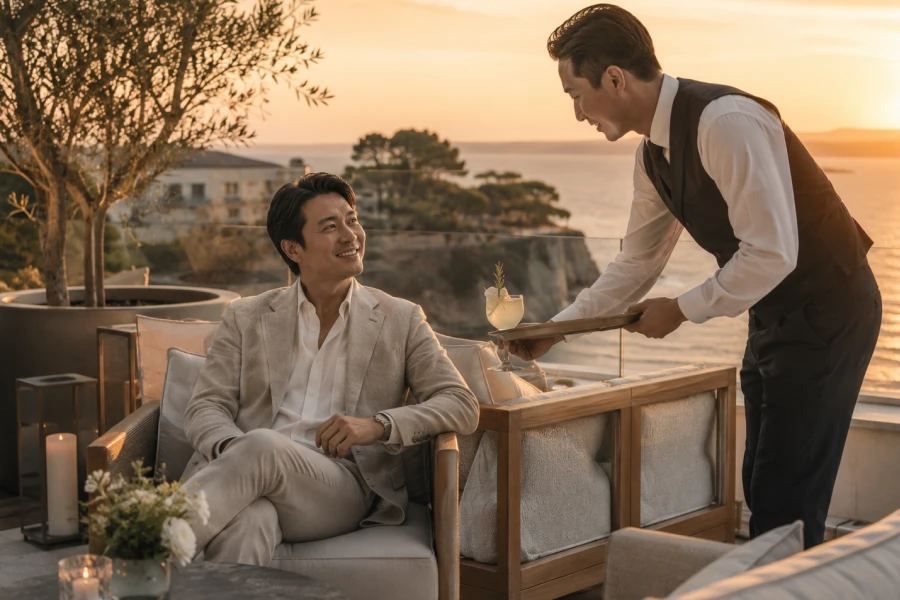
A VIP hotel experience often begins with preparation, not a dramatic arrival. The best stays feel smooth because travelers understand what to ask for and use. You do not need celebrity status to receive thoughtful service. You need clear priorities, respectful communication, and a willingness to use the property well. That may include choosing the right room, confirming special needs, or learning about available services. A small amount of research makes these details easier to manage. It also helps you focus on what would genuinely improve the stay. The goal is not performing luxury. It is creating a stay that feels personal, calm, and well supported. That kind of comfort is available more often than people realize.
Start by deciding what would make the stay feel exceptional to you. Perhaps it is a quiet room, a thoughtful dining recommendation, or extra time before departure. Write down your priorities before comparing properties. This prevents you from getting distracted by details that look glamorous but do not serve your trip. Consider your arrival time, travel companions, and energy level. Then choose a hotel that can reasonably support those needs. A good stay often comes from a strong match. It does not require the biggest suite or the most famous address. Clarity helps you recognize true value. That is the foundation of a more elevated experience.
Contact the property before arrival when you have a legitimate preference or question. Ask about room location, arrival timing, and facilities you hope to use. Keep your message concise and friendly. Staff can often prepare better when they have context. They may also suggest alternatives you had not considered. The goal is to make your stay easier, not create unnecessary work. A clear question shows that you value their expertise. It can also help you avoid disappointments at check-in. Early communication creates a calmer arrival. That calm is one of the first signs of a well-managed stay.
A great hotel room should restore energy, not simply hold luggage. Notice the lighting, temperature controls, bedding, and sound level soon after arriving. Make small adjustments before fatigue sets in. Ask for assistance if something basic is not working well. A few changes can dramatically improve sleep quality. Consider how the room supports your travel pace. A calm environment can make busy sightseeing days feel much easier. Choose rituals that help you reset, such as tea, a shower, or quiet music. Those habits turn the room into a genuine retreat. That is where comfort becomes part of the itinerary.
Personalized service is most useful when it responds to a real need. Do not hesitate to ask for help with a reservation, transport, or local timing question. Use VIP treatment tactics that focus on clarity and courtesy rather than demands. Explain what you need, then remain open to the hotel’s suggestions. Staff often know practical solutions that online research misses. Their knowledge can save time and reduce stress. Simple appreciation also matters. A warm interaction makes service feel more personal for everyone involved. That is more valuable than a scripted luxury gesture. Good service works best as a conversation.
Comfort often comes from choosing a few features you will use every day. Maybe you value natural light, a deep bathtub, or a well-designed desk. An elevated room experience is not always about more space. It can be about better function and a stronger sense of ease. Look for room details that support your routines. Consider how you start mornings and wind down at night. The right environment can make a short stay feel longer and more restorative. That payoff is worth more than decorative excess. Choose what you will genuinely feel.
Many travelers miss benefits simply because they do not ask about them. Review the property’s dining, wellness, transport, and lounge options. Check whether reservations, fees, or specific hours apply. A smart hotel amenity strategy helps you decide what deserves your time. You may find that breakfast, fitness access, or a scheduled class adds real value. Or you may realize that a feature will not fit your schedule at all. Both insights are helpful. Use what supports your trip and ignore the rest. This keeps the stay focused and satisfying. Value comes from use, not from availability alone.
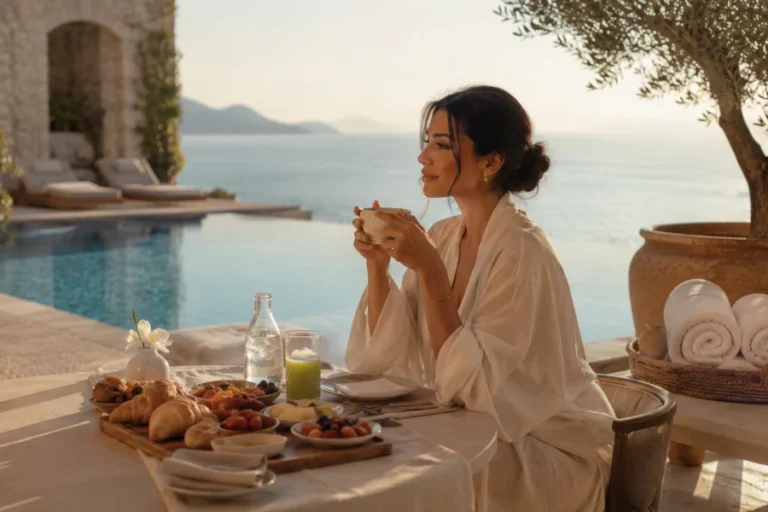
Hotels feel more luxurious when you are not rushing through them. Plan one unhurried stretch of time on-site. It could be a morning by the pool, an early drink on a terrace, or a quiet hour in the lounge. This does not require an elaborate schedule. It simply recognizes that the hotel is part of the experience. Slowing down can make even familiar travel feel more special. You may notice design details, service touches, or views that would otherwise blur together. This time also helps you recover between activities. A well-paced stay feels more generous. That is one reason luxury often feels like time.
Room upgrades can be enjoyable, but they are not the only route to a better stay. The best experience may come from smoother logistics, caring service, or a property that understands its guests. Look for what reduces friction and creates confidence. Make clear requests when they are needed. Be receptive when staff suggest an alternative. This approach turns hospitality into something collaborative. You do not have to chase an image of VIP treatment. You can build a stay that feels considerate, personal, and easy. That is a much more useful kind of luxury. It stays with you after checkout.
After checkout, consider what made the property feel especially good. Was it the room, the service, the location, or the pace you created? These notes will help you choose better next time. They also reveal which features are actually worth paying for. You may learn that quiet matters more than size. Or you may decide that a helpful concierge changes the whole trip. Personal feedback makes future bookings faster and more satisfying. It turns each stay into useful experience. Over time, you develop a clear sense of your own travel standards. That is the best preparation for the next arrival.



Leave a comment